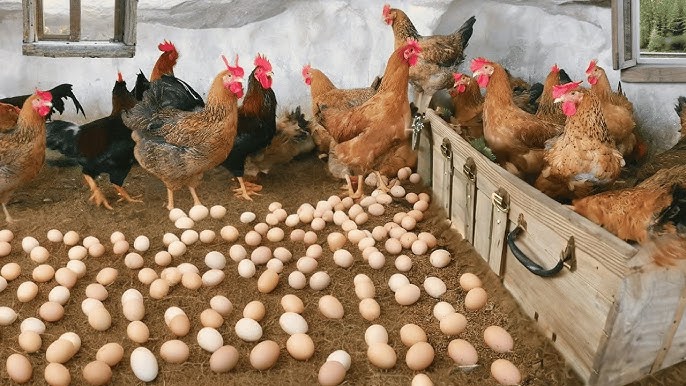
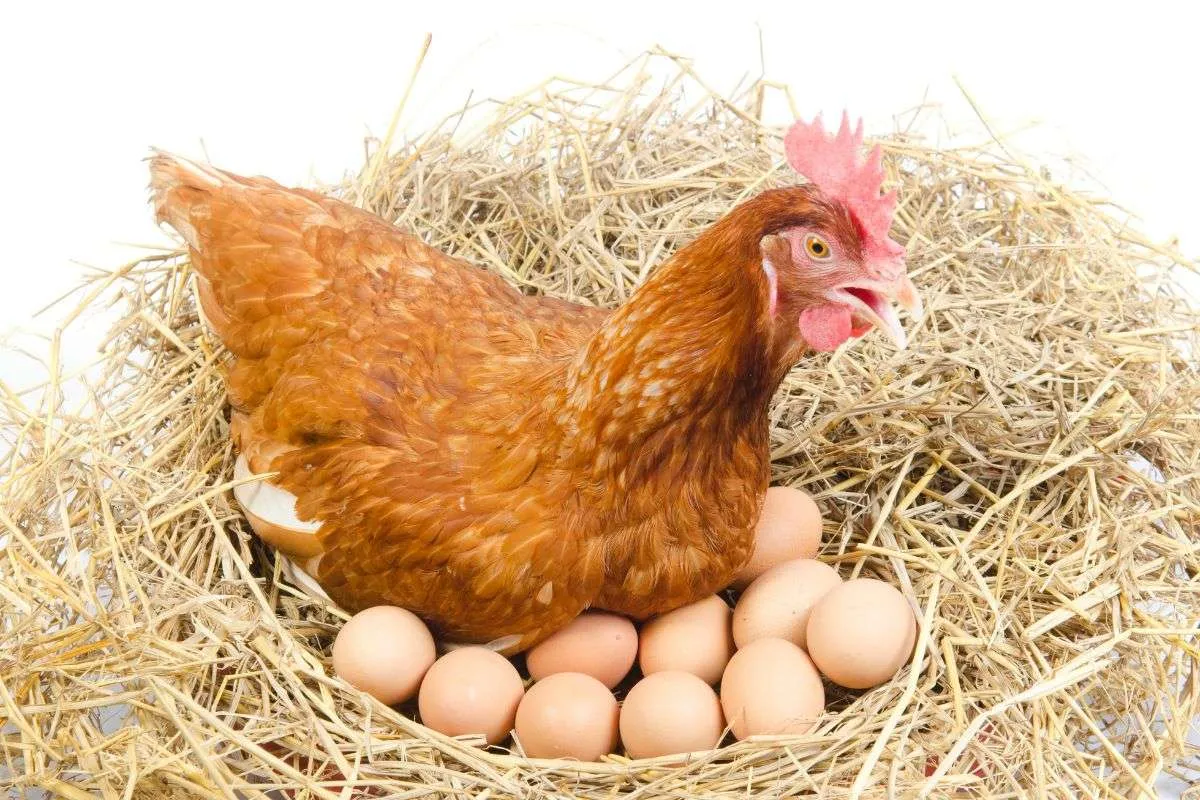
Poultry farming is the practice of raising domesticated birds such as chickens, turkeys, ducks, and geese for meat, eggs, or feathers. It is one of the most popular and profitable forms of animal husbandry, contributing significantly to food security, employment, and economic development worldwide.
Modern poultry farming ranges from small-scale backyard operations to large commercial farms and integrates advanced technology for efficiency and sustainability. Poultry products, especially chicken meat and eggs, are a staple in diets globally due to their affordability, nutritional value, and versatility.
Poultry farming is not only a source of nutrition but also a means of employment and entrepreneurship for millions of people, making it an integral part of the global agricultural landscape. Whether practiced on a small scale or as a large commercial venture, poultry farming has proven to be a sustainable and profitable agricultural activity.
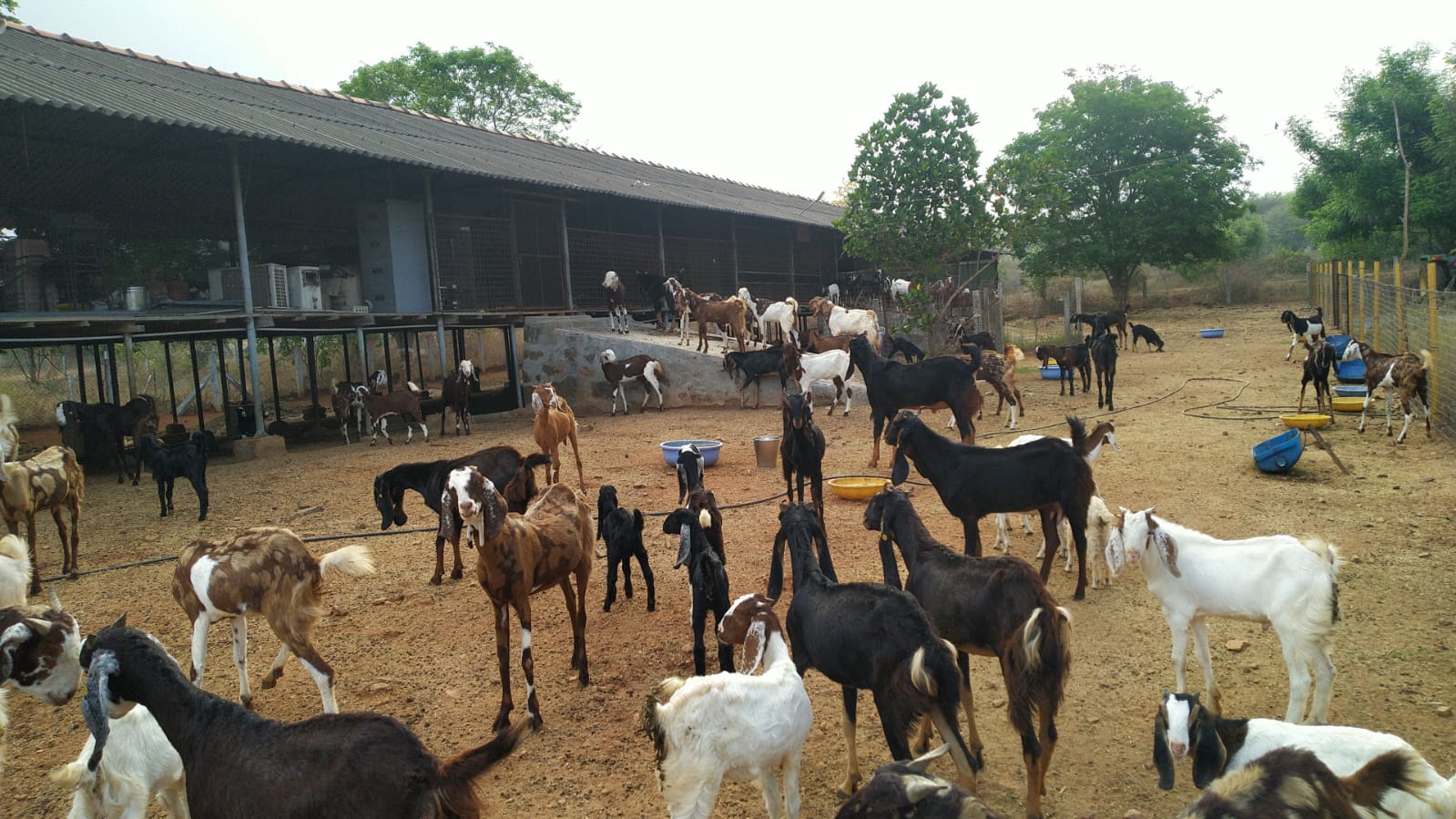
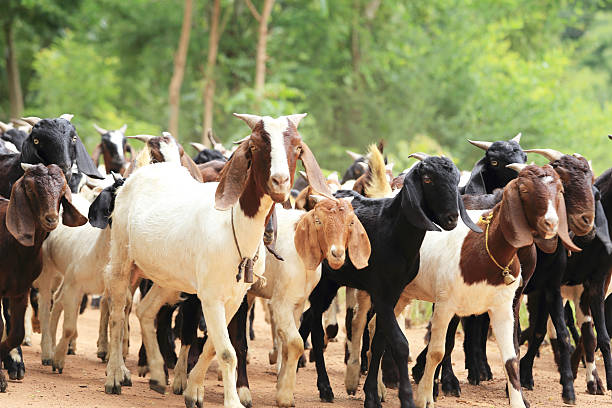
Goat farming is an ancient and rewarding agricultural practice that has evolved into a thriving industry worldwide. Goats are among the most versatile and hardy livestock, making them suitable for diverse climates and geographical locations, from arid deserts to lush green pastures. Unlike larger animals, goats require minimal space and infrastructure, making them ideal for smallholder and commercial farming.
In addition to their resilience, goats are prolific breeders with short gestation periods, allowing farmers to quickly grow their herds and increase production. Their ability to convert a wide variety of vegetation into high-quality products makes them particularly well-suited to mixed farming systems, where they can graze on land that may not be suitable for other livestock. This makes goat farming an important practice for sustainable agriculture.
With a growing global demand for healthy, organic, and sustainable food sources, goat farming offers excellent opportunities for small-scale farmers and large enterprises alike. It not only provides a steady income through the sale of milk, meat, and fiber, but it also contributes to food security, rural development, and sustainable land management.
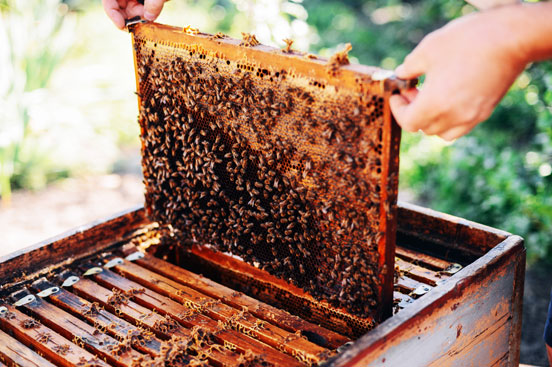
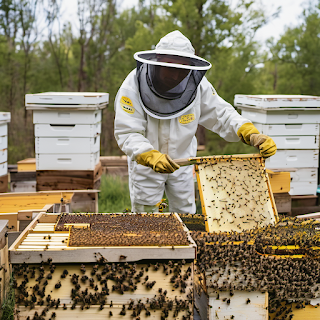
Honeybee farming, also known as apiculture, is the practice of cultivating honeybees for the production of honey, beeswax, royal jelly, and other bee-related products. It is one of the most beneficial forms of livestock farming, not only for the direct products it yields but also for its crucial role in pollination. Honeybees are essential for the pollination of many crops, making apiculture a vital component of global food production and biodiversity conservation.
Honeybee farming is relatively low-maintenance, making it accessible to small-scale and large-scale farmers. The bees are housed in beehives, and with the right management techniques, they can produce a variety of products, including honey, beeswax, and propolis, which are in high demand across numerous industries such as food, cosmetics, and pharmaceuticals.
Apiculture is a rewarding venture for those interested in sustainable farming, as honeybees also contribute to the health of the environment by pollinating plants that are essential for other crops and ecosystems.