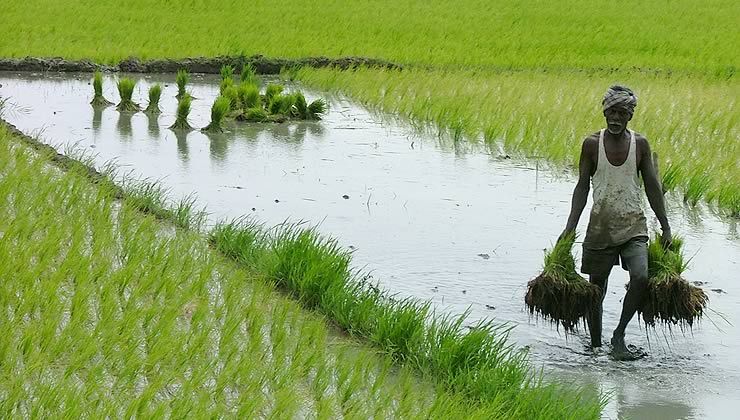
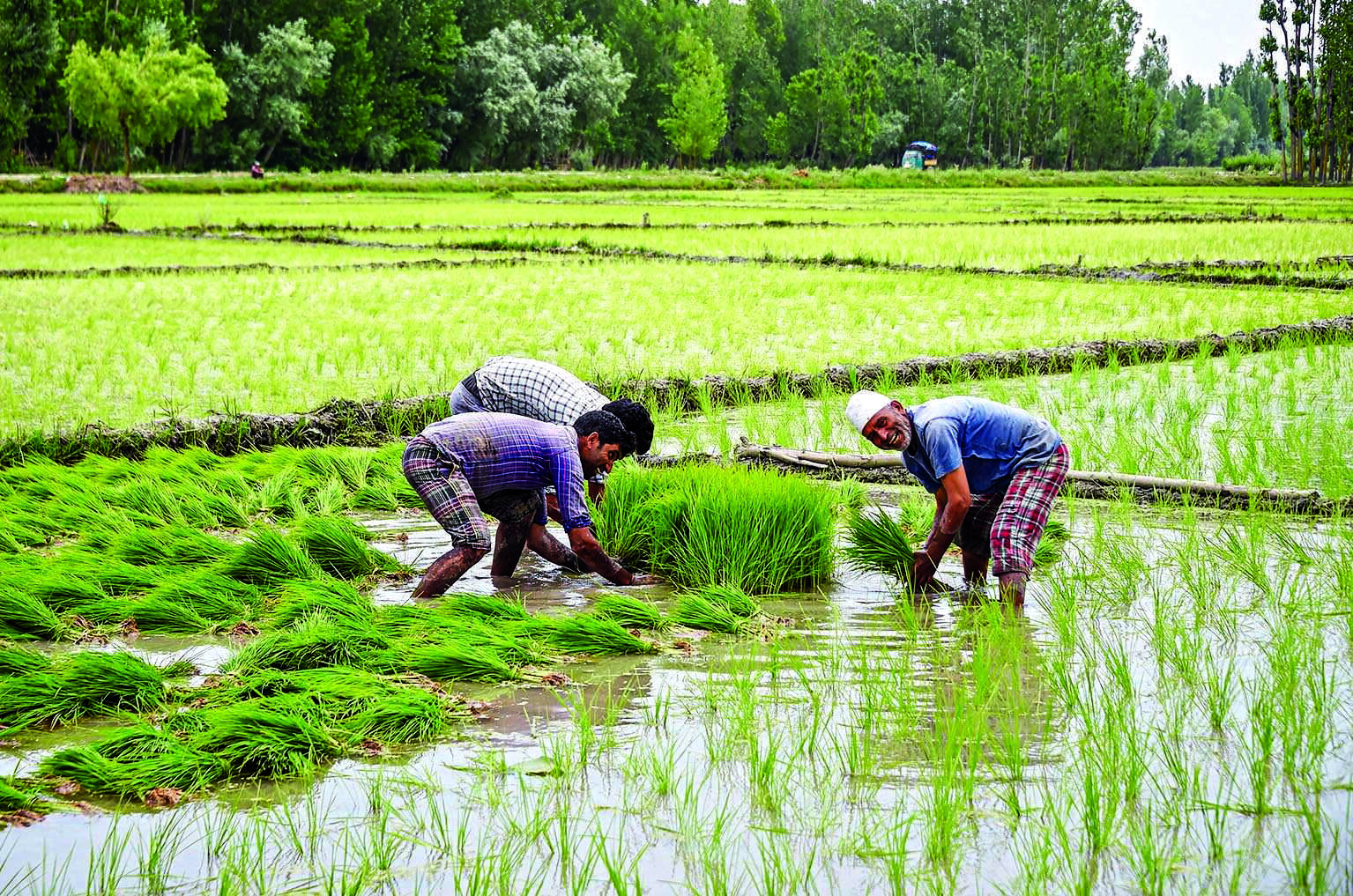
Paddy cultivation, also known as rice farming, is the process of growing rice, a staple food crop that feeds billions of people around the world. Paddy (Oryza sativa) is typically grown in waterlogged fields called paddies, although it can also be cultivated in dry or upland areas in some regions. The process of paddy farming involves various stages, including soil preparation, planting, irrigation, weeding, harvesting, and post-harvest processing.
Rice farming is highly dependent on climatic conditions, with the ideal environment being warm temperatures, abundant water, and sufficient sunlight. Paddy fields are usually flooded with water, which helps in controlling weeds and providing essential nutrients to the rice plants.
Paddy farming is an important agricultural practice in many countries, particularly in Asia, where rice is a primary food source. It also plays a vital role in providing employment to millions of smallholder farmers and laborers involved in the cultivation and harvesting processes.
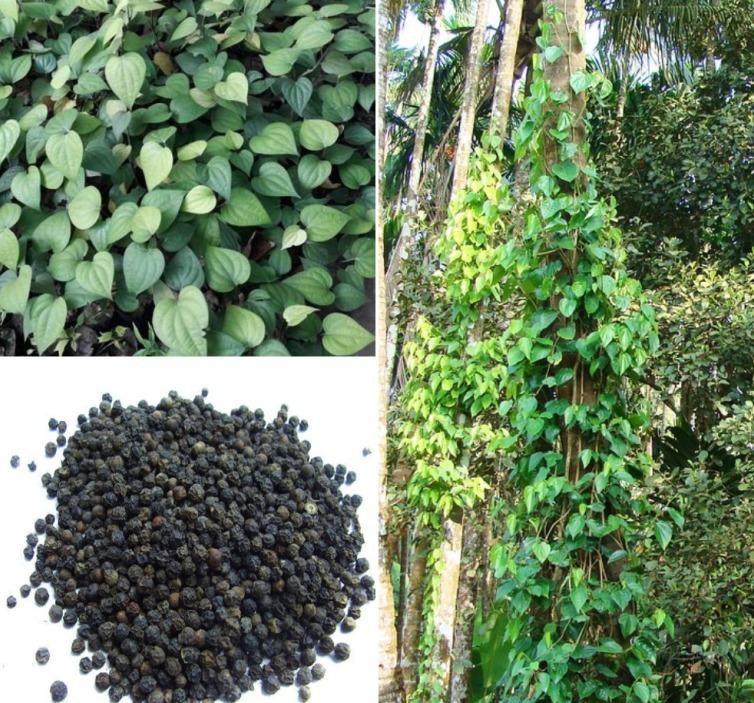
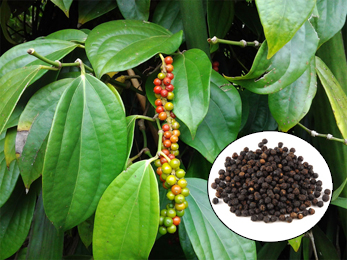
Black pepper (Piper nigrum) is one of the most widely used spices globally, often referred to as the "King of Spices." Native to the tropical regions of South India, black pepper is grown primarily for its dried fruit (peppercorn), which is used as a seasoning and in traditional medicine. The farming of black pepper is labor-intensive and requires specific climatic and soil conditions to thrive.
Black pepper plants are climbing vines that require support structures like trellises or trees to grow properly. They grow best in warm, humid environments with well-distributed rainfall and fertile, well-drained soil. After cultivation, the fruits of the black pepper vine are harvested, dried, and processed to produce the familiar black peppercorns.
Attending trade fairs, agricultural expos, and spice festivals can help farmers and producers showcase their products to potential buyers and expand their network.
Leveraging e-commerce platforms and social media for marketing can help reach a broader audience and create a direct connection with customers, especially for organic or specialty pepper products.
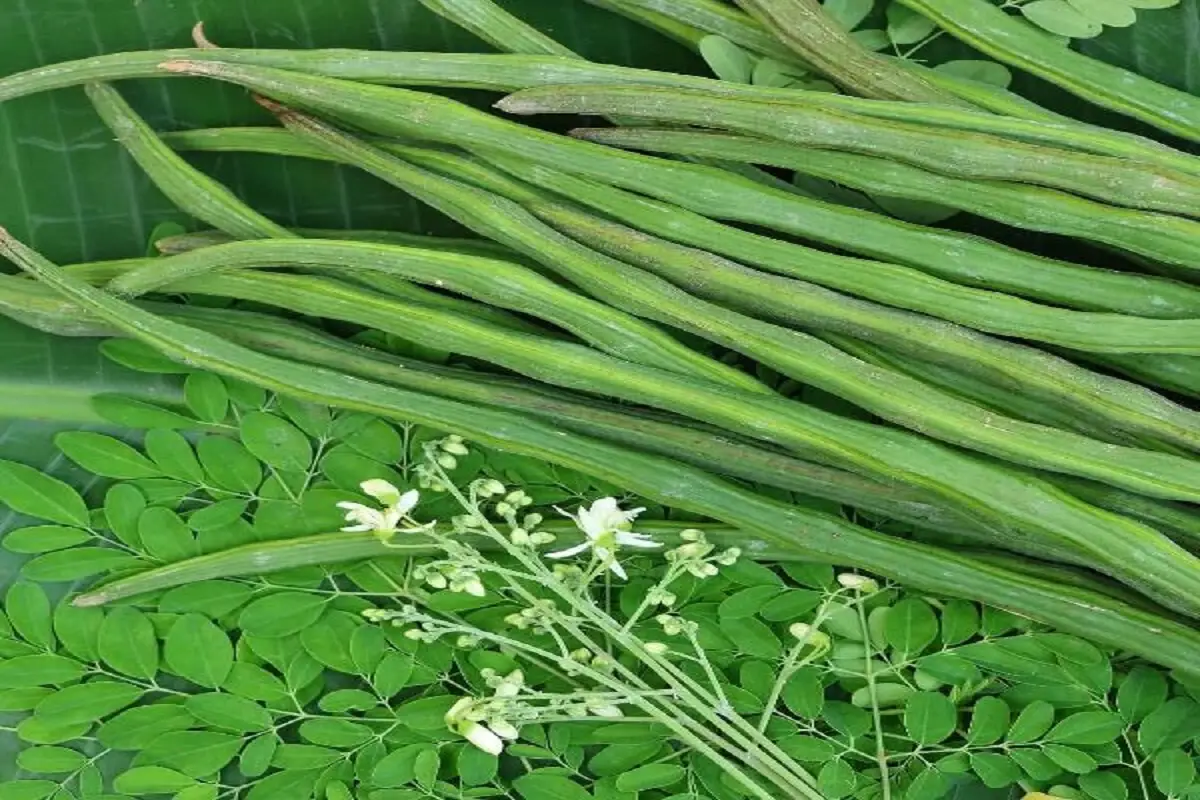
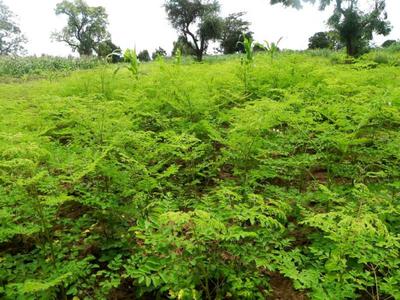
Moringa, commonly known as the "drumstick tree" or "miracle tree," is a fast-growing, drought-resistant plant native to the Indian subcontinent. It is cultivated for its nutrient-rich leaves, pods, seeds, and oil. Moringa is valued for its high nutritional content, including vitamins, minerals, proteins, and antioxidants, and is used extensively in food, medicine, and cosmetics. Its adaptability to diverse climatic conditions and low input requirements make it a highly sustainable crop.
The leaves are considered a superfood, rich in protein, vitamins, and minerals, while the pods are a staple in many cuisines. Moringa seeds are used for oil extraction and water purification, and the plant also has applications in traditional medicine, cosmetics, and agriculture. Its resilience and low input requirements make it ideal for sustainable farming, especially in arid and marginal areas.