
Ecotourism is a responsible travel practice that focuses on preserving the environment, supporting local communities, and promoting cultural heritage. It emphasizes minimal environmental impact, conservation of natural ecosystems, and meaningful engagement with local traditions and practices. Ecotourism is a sustainable approach to tourism that caters to individuals seeking authentic, nature-based experiences, often in remote or pristine locations such as forests, mountains, and coastal regions.
By fostering awareness and appreciation of natural and cultural heritage, ecotourism encourages travelers to act as stewards of the environment. It also provides economic benefits to local communities, creating opportunities for employment and cultural exchange while reducing the pressure on overexploited tourist destinations.
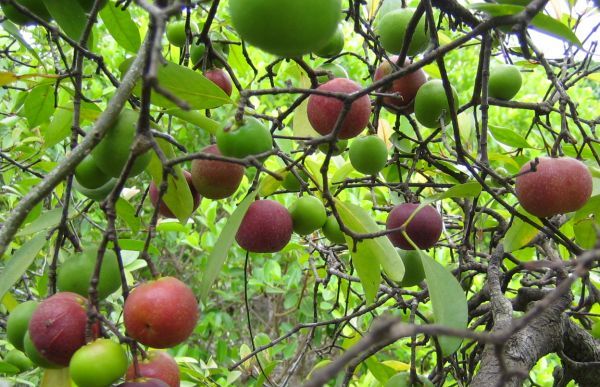
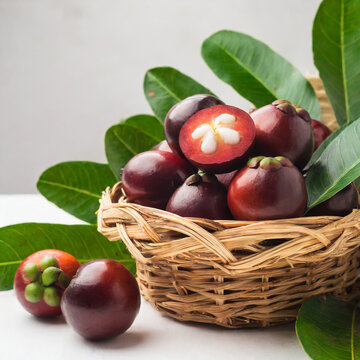
Kokum (Garcinia indica), a tropical fruit-bearing tree, is native to the Western Ghats of India. Known for its tangy and slightly sweet taste, kokum is prized for its medicinal properties and culinary uses. Its vibrant red to purple fruits are primarily used to make syrups, juices, dried rinds (as a souring agent in Indian cuisine), and oil extracted from the seeds. The fruit is rich in hydroxycitric acid (HCA), antioxidants, and nutrients, making it popular in the food and wellness industries.
Kokum trees are hardy, drought-resistant, and thrive in coastal and humid tropical climates, requiring minimal maintenance. Its versatility and increasing demand in the food, pharmaceutical, and cosmetic sectors make kokum cultivation a profitable and sustainable farming option.
With its growing popularity as a functional food and natural remedy, kokum has significant potential in domestic and international markets. Increased awareness about its health benefits, combined with innovations in value-added products, can transform kokum cultivation into a highly profitable venture for farmers. Government support and research into improved cultivation and processing techniques will further enhance its prospects.
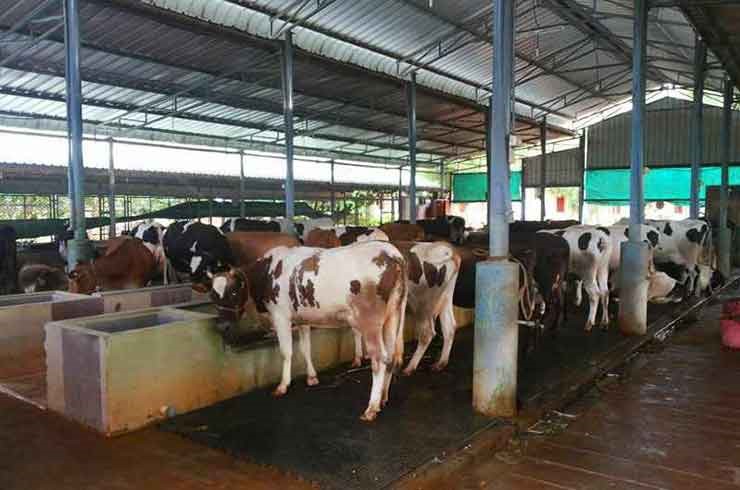
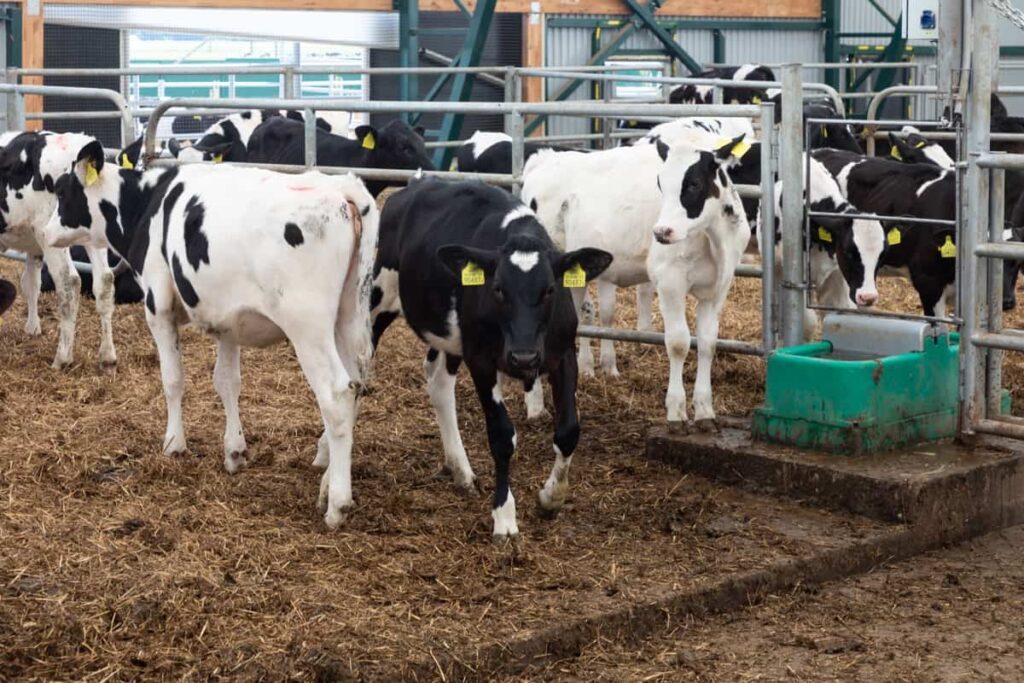
Cow farming, or cattle rearing, is a vital component of the agricultural economy, playing a crucial role in providing milk, meat, leather, and manure. It is practiced worldwide and forms the backbone of rural livelihoods in many regions. With a focus on either dairy farming or beef production, cow farming contributes significantly to food security, nutrition, and employment generation.
Cows are also revered in several cultures for their economic and cultural importance. Modern cow farming involves scientific methods of breeding, feeding, healthcare, and waste management to enhance productivity and sustainability. The rising demand for organic milk, high-quality beef, and eco-friendly farming practices has increased the scope and profitability of cow farming.